The Rare Jin Dynasty Tianxing Yuanbao Coin
In the world of ancient coin collecting, there is a saying: “For Song coins, look at the style; for Qing coins, look at the condition; for Liao and Jin coins, look at the fate.”
Most ordinary families find ancient copper coins at home, often from the Northern Song Dynasty, such as Xining, Yuanfeng, Qianlong, and Jiaqing coins. These coins are abundant and widely circulated, with prices for well-preserved examples ranging from dozens to hundreds of yuan, making it difficult to achieve overnight wealth.
However, there is a category of ancient coins that ordinary people may never see in their lifetime. These coins were minted during the chaotic last years of the Jin Dynasty, with a very short production period, limited quantities, severe preservation issues, and extremely rare styles. Any complete, uncracked, and unaltered original coin starts at a seven-figure price, making it a true treasure worth millions.
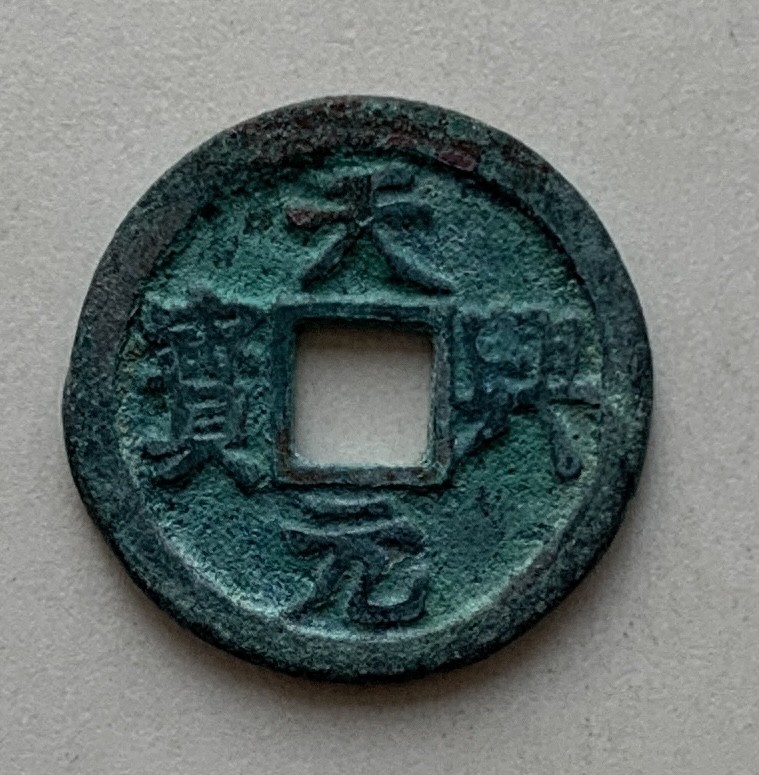
This coin is the Tianxing Yuanbao from the late Jin Dynasty. Many people may not know that the Tianxing series includes not only the Yuanbao but also the Tianxing Tongbao and Tianxing Zhongbao, which were minted concurrently. These three coins share the same origin, have interchangeable styles, and are recognized as the kings of Jin Dynasty coins in the Northern ancient coin circle.
Most antique markets, ordinary collecting manuals, and beginner coin catalogs rarely feature clear images of the three Tianxing coins. Outsiders do not understand them, insiders are reluctant to showcase them, and the market is flooded with imitations, leading to a persistent air of mystery surrounding these coins. Many seasoned collectors have never even held an original coin in their hands.
Today, I will explain everything in simple terms without using obscure jargon. We will cover the historical context of the Jin Dynasty’s fall, the reasons for minting the Tianxing coins, the differences in the three coin styles, details of the small flat coins, auction records over the years, identification of counterfeits, and preservation techniques for ancient coins. If you have old copper coins, inherited coins, or miscellaneous coins from the countryside, be sure to read carefully to recognize this rare coin from a chaotic era and avoid treating a million-dollar national treasure as ordinary scrap copper.
To fully understand the Tianxing Yuanbao, we must first return to the late Jin Dynasty and understand the chaotic background in which this coin was born.
The Jin Dynasty was established by the Jurchen people and rose to prominence between the White Mountains and Black Waters in Northeast China. They once rode south, defeating the Liao and Song dynasties, dominating the northern central plains. During its peak, the Jin Dynasty enjoyed economic prosperity, thriving trade, and beautifully crafted coins. The Taihe Zhongbao and Dading Tongbao are still popular among coin collectors today.
However, as the saying goes, prosperity leads to decline. In the later years of the Jin Dynasty, the rulers became incompetent, the court was corrupt, and military power waned. The northern Mongolian cavalry rose to power, crushing the Jin army as they advanced southward. Years of war led to suffering among the people, and cities fell one after another, causing the Jin territory to shrink and its national strength to plummet.
In 1232, Jin Aizong Wanyan Shouxu changed the era name to Tianxing, which was the last era name of the Jin Dynasty, marking the year of its demise. At this time, the Jin Dynasty faced turmoil, food shortages, insufficient military funding, and economic collapse. The circulation of currency was chaotic, with old coins from the previous dynasty, Southern Song copper coins, and privately minted coins mixed in the market, making it impossible to manage.
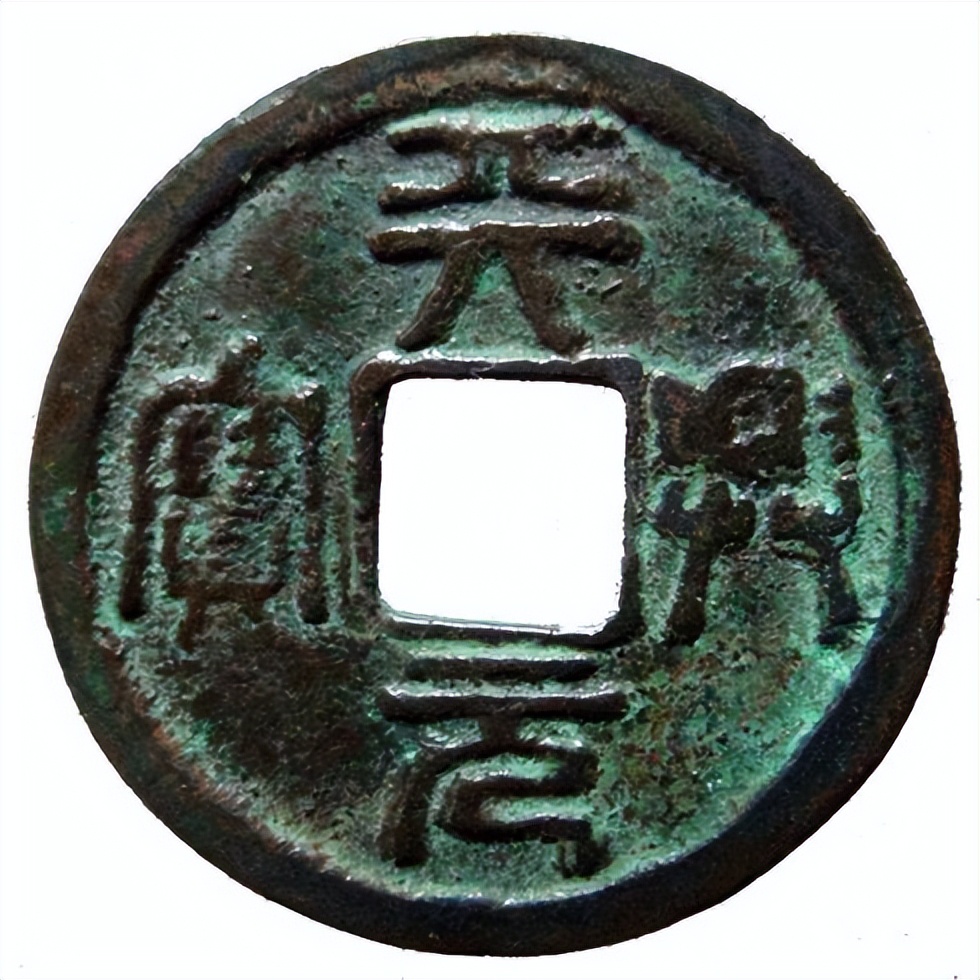
To restore currency order, subsidize military expenses, and stabilize the dynasty’s rule, Jin Aizong ordered the temporary minting of new era coins, which we refer to today as the Tianxing series.
Many people are unaware that the Tianxing era name was only used for three years, from 1232 to 1234. By 1234, the Jin Dynasty was completely destroyed, the dynasty fell, minting ceased, molds were destroyed, and craftsmen scattered.
With only three years of minting time, coupled with frequent wars, makeshift minting facilities, and a shortage of raw materials, the total production of the Tianxing series coins was extremely low, far less than that of the mid-Jin coins like Dading and Taihe. Additionally, due to war destruction, loss, corrosion, and overseas dispersion, the number of complete genuine coins that remain today is astonishingly scarce.
Here, I would like to correct a common misconception: many newcomers believe that there is only the Yuanbao in the Tianxing series. In fact, there were three types of coins minted during the Tianxing period: Tianxing Tongbao, Tianxing Yuanbao, and Tianxing Zhongbao. These three coins served different purposes, had different sizes, and different denominations, forming the last complete currency system of the Jin Dynasty.
The Tianxing Tongbao was primarily a small flat coin, thin and lightweight, used for small transactions; the Tianxing Yuanbao was a standard small flat coin, made with uniform craftsmanship for official use; and the Tianxing Zhongbao was larger, intended for larger transactions. All three coins came from the same period, the same mint, and the same group of craftsmen, sharing the same copper quality and font style, collectively referred to as the “Three Treasures of Tianxing” in the collecting community.
Among these three coins, the Tianxing Yuanbao small flat coin is the rarest, most valuable, and hardest to collect. It is recognized as the top treasure of the Jin Dynasty and ranks among the fifty most precious ancient coins in China, holding a very high status.
I will guide you to visually identify the original Tianxing Yuanbao small flat coin without the need for a professional magnifying glass, so that ordinary people can remember its core features for easy reference at home to avoid counterfeit pitfalls.
The original Tianxing Yuanbao is a standard small flat size, with a diameter between 24mm and 25mm, a thickness of 1.2mm to 1.5mm, and a weight of 3.2g to 3.8g. Its dimensions are uniform, and its weight is moderate, conforming to the minting specifications of small flat coins from the late Jin Dynasty.
The coin is made entirely of refined yellow brass from the north, with a deep and warm copper color. The patina of ancient coins appears caramel brown or dark brown, while coins unearthed from pits may show thin green rust or red spots, with a hard rust layer that does not easily fall off. This refined yellow brass is unique to northern mines, making it difficult for modern replicas to perfectly replicate its texture.
The coin’s obverse features the characters Tianxing Yuanbao in regular script, with neat and dignified font strokes that retain the unique rough calligraphic charm of Jin Dynasty coins. The character “Tian” has a short horizontal stroke at the top and a long one at the bottom; “xing” is compact with dense strokes; “yuan” has smooth and powerful curves; and “bao” has a full top and a stable bottom.
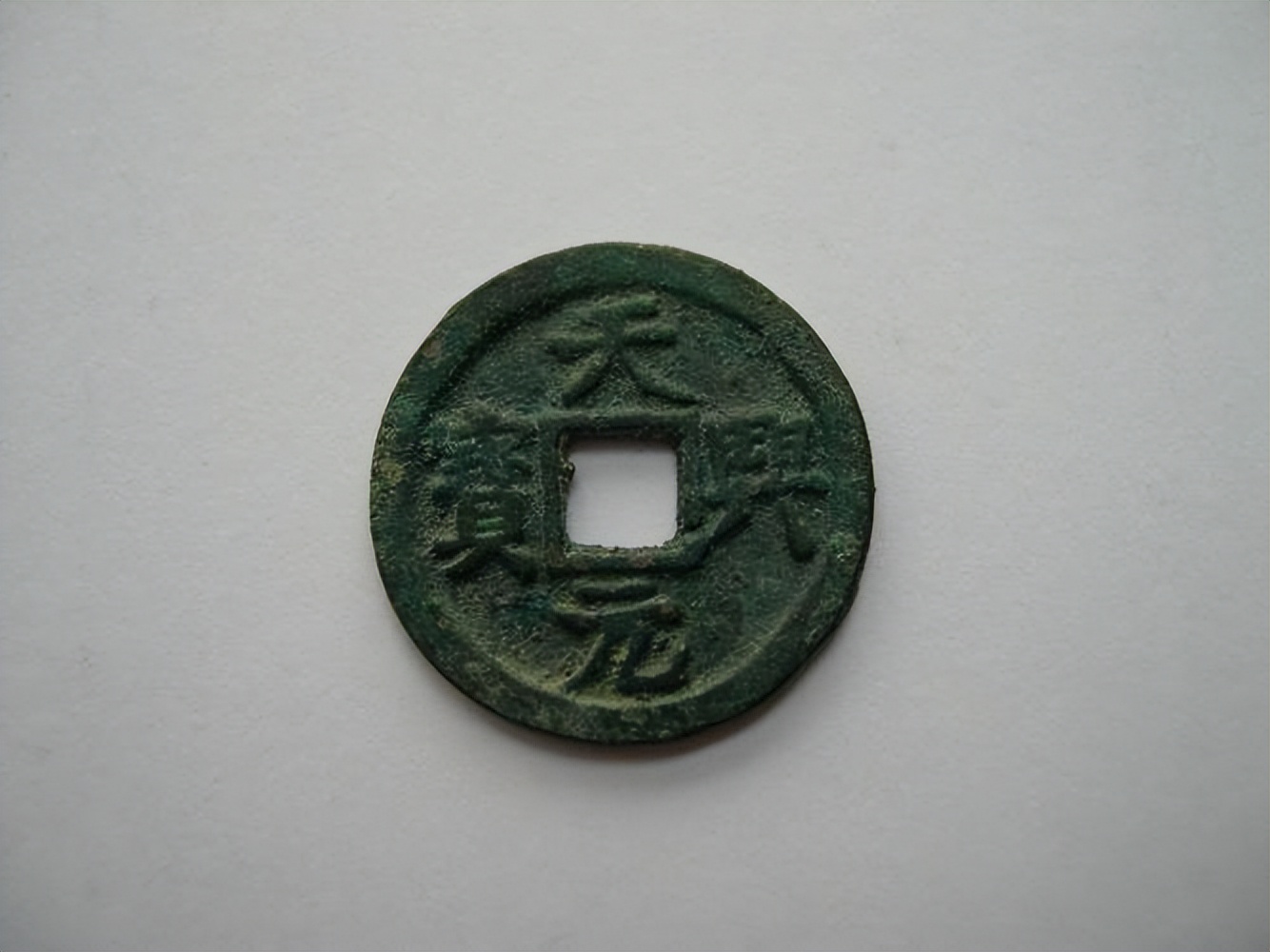
The arrangement of the four characters is square and centered, with a clean and flat background, free of extraneous markings or pits. The coin’s outer rim is smooth and regular, with a square hole that is neatly cut, and the inner and outer surfaces are polished smoothly, without burrs or rough edges. Despite the constant wars in the late Jin Dynasty, the craftsmanship of official mint coins remained rigorous, with detail quality far exceeding the poor-quality privately minted coins of the Southern Song Dynasty.
The reverse of the coin is mostly blank, smooth, and without any stars, moons, text, or patterns. A very small number of special editions have reverse designs featuring upward or downward crescent patterns, which are trial coins minted for the court and are even rarer, commanding a higher premium.
Many collectors struggle to distinguish between the Tianxing Tongbao and the Tianxing Yuanbao. Here’s a straightforward method for differentiation: the Tianxing Tongbao has a thinner font, delicate strokes, a lightweight body, and a lighter copper color; the Tianxing Yuanbao has a thicker font, robust strokes, a heavier feel, and a deeper copper color; while the Tianxing Zhongbao is larger, with a more imposing font and wider edges, making it easy to differentiate.
Despite their similar appearances, the market value of these three coins varies greatly. Ordinary collectors must clearly distinguish between versions to avoid overpaying or underselling.
Many people wonder why this small flat coin, minted during a short three-year period of a fallen dynasty, can be so outrageously expensive. I will break down four core reasons that are easy to understand for everyone.
First, the extremely short minting period. The Tianxing era lasted only three years, during which the Jin Dynasty was in turmoil and had no time for mass minting. Historical records indicate that the total official minting of Tianxing Yuanbao coins was less than 150,000 pieces, which is considered extremely scarce among ancient coins.
Second, the devastating destruction after the war. After the fall of the Jin Dynasty, the Mongolian army entered the north and, to erase all traces of the Jurchen dynasty, the authorities collected and melted down Jin era coins on a large scale to mint new coins. The destruction rate of the Tianxing series coins reached over 99%, and those that managed to survive were mostly buried underground, lost in the chaos of war, making their survival probability minuscule.
Third, the extremely limited circulation range. When the Tianxing coins were minted, the Jin territory was reduced to a small area in Henan and surrounding towns, with a narrow circulation area and no widespread adoption. Most of the northern regions continued to use old coins from the previous dynasty, resulting in a very low circulation base for Tianxing coins and a scarcity of discoveries in later excavations.
Fourth, the unique historical significance. The Tianxing Yuanbao is the last official currency of the Jin Dynasty, witnessing the fall of the dynasty, the transition from Jin to Yuan, and the integration of northern ethnicities. It is not just a piece of copper; it is a tangible witness to a historical narrative of a fallen state, with cultural value far exceeding its metal worth.
In the collecting community, there is a rule: rare coins emerge from chaotic times, and unique items emerge from fallen states. The more a coin is minted during the late period of a dynasty or in times of war, the fewer there are in existence, and the higher the price. The Tianxing Yuanbao perfectly fits all these rare conditions, making its price increase inevitable.
I have compiled the public auction records, offline collection transactions, and private deals from experienced collectors over the past decade to transparently categorize the market trends for the three types of coins, without tricks or exaggeration, in an easy-to-understand manner for collectors.
First, let’s discuss the Tianxing Tongbao, which has the lowest entry threshold and is relatively common. Note that the character “Tian” here refers to the character for “premature death” rather than “sky,” as many people misidentify the font, leading to errors in judgment. The Tianxing Tongbao has a slightly larger surviving quantity, mostly consisting of unearthed coins with varying conditions.
Heavily corroded, damaged, or with unclear inscriptions, the market recovery price is between 180,000 to 260,000 yuan; coins with clear inscriptions, no cracks or leaks, and natural patina have stable transaction prices ranging from 450,000 to 680,000 yuan; while top-quality coins that are uncirculated, undamaged, and unaltered can reach auction prices of up to 1.12 million yuan.
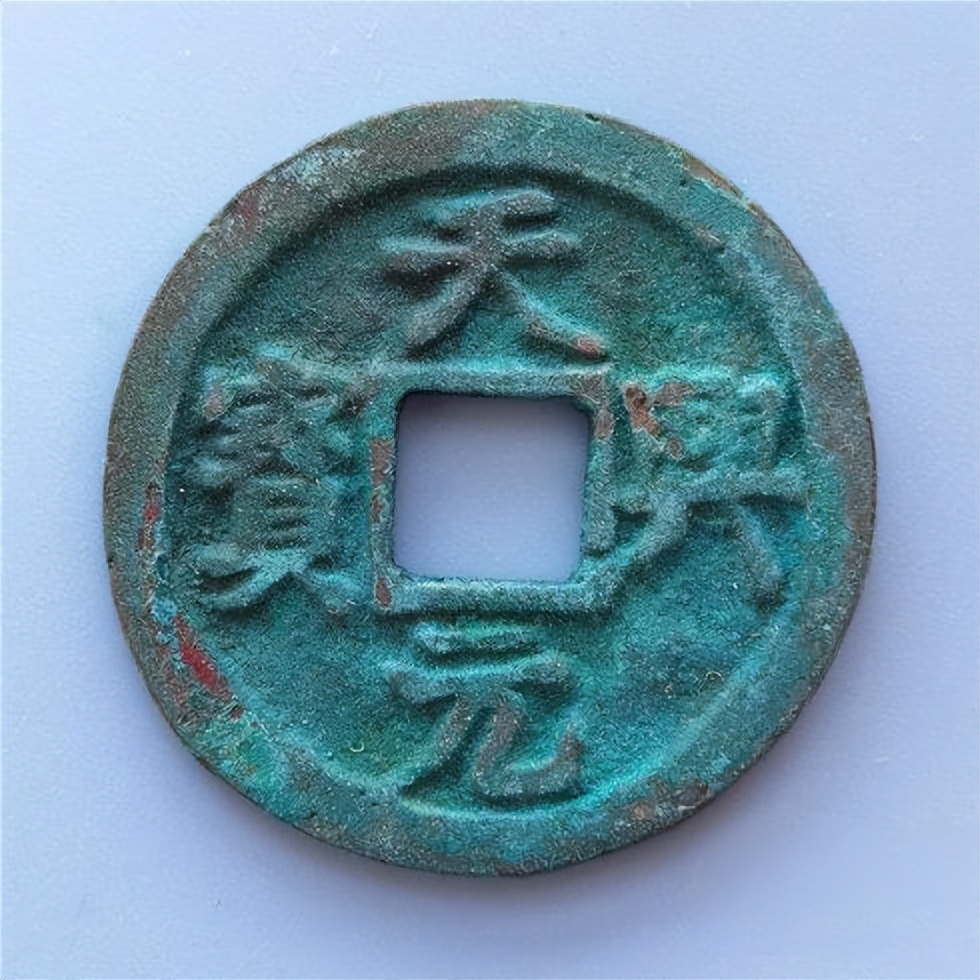
Next is the Tianxing Yuanbao small flat coin, which has the highest popularity and the least circulation, and is the focus of today’s discussion as a hot collectible. It is the most recognized, has the largest collector base, and the strongest premium potential among the three coins.
Coins with cracks, repairs, or deformation have a minimum transaction price of no less than 700,000 yuan; well-preserved coins without cracks, complete inscriptions, and natural rust have a stable market price of 1.35 million to 2.1 million yuan; while original factory coins with a flat base, deep inscriptions, and no artificial treatment have reached auction prices exceeding 3.65 million yuan.
Last is the most mysterious and hardest to find among the public, the Tianxing Zhongbao. The Zhongbao is larger in size, originally minted for large transactions and military payments, and its production quantity is lower than that of the Yuanbao and Tongbao. Currently, the complete surviving quantity nationwide is less than fifteen pieces, with most held in museums or private safes, making its circulation extremely rare.
Ordinary examples of the Tianxing Zhongbao, such as the folded two denomination, start at transaction prices of no less than 2.8 million yuan; while perfect examples with back moon patterns can exceed 5 million yuan in private transactions, making them exclusive collectibles for top-tier collectors, beyond the reach of ordinary players.
Many outsiders find it hard to believe that a single copper coin can sell for millions. However, it is important to understand that the Tianxing Yuanbao is not an ordinary ancient coin; it is one of the fifty most precious ancient coins, consistently ranking in the top five of the Liao and Jin coin rankings. Even the worst-preserved remnants are a hundred times more valuable than ordinary Song and Qing copper coins.
Today, the antique market is rife with chaos, with stalls, short video platforms, and live streams filled with numerous high-quality imitations of the Tianxing series. Tianxing Yuanbao priced at dozens, hundreds, or thousands of yuan are undoubtedly modern crafts, without exception.
True original Tianxing three treasures have never been low-priced in circulation. It is nearly impossible to find a deal in ordinary public channels. Unscrupulous vendors take advantage of ordinary people’s desire for cheap prices and quick wealth, mass-producing fakes that mislead novices. I have compiled five simple, cost-free, and easily observable identification techniques that anyone can learn.
First, check the copper color. The original Jin Dynasty coins are made from native yellow brass from the northern plateau, with a deep and subdued copper color that is soft and not glaring or red; modern imitations use mixed copper, recycled copper, or electrolytic copper, which appear red, white, or shiny, lacking the warm texture of aged copper.
Second, examine the font strokes. Genuine coins have neat and robust regular script, with variations in stroke thickness and powerful transitions at corners, exuding an ancient charm; imitations have clumsy and stiff fonts, uniform strokes, and rounded corners, showing clear signs of artificial computer engraving, lacking the natural spirit of ancient coins.
Third, inspect the hole craftsmanship. Ancient coins were hand-pierced, resulting in square holes with smooth inner walls and natural polishing marks; modern coins are machine-stamped, resulting in rough, straight holes with stiff inner walls and machine polishing patterns, lacking signs of wear.
Fourth, observe the rust layer and patina. Old coins have deep, hard rust with distinct layers, featuring natural green, red, and black rust that cannot be wiped off; artificially aged imitations have superficial rust that can easily be scraped off, with clear signs of chemical corrosion, appearing overly bright and unnatural.
Fifth, listen to the metallic sound. Old coins, having undergone centuries of natural oxidation, have reduced metal density, producing a dull, muffled sound that is rich and long; new coins made from fresh copper produce sharp, crisp, and piercing sounds, with clear differences.
I would like to remind everyone: any Tianxing Yuanbao, Tianxing Tongbao, or Tianxing Zhongbao sold at low prices, in bulk, or at street stalls should be immediately judged as counterfeit. Genuine items are extremely rare, and collectors are reluctant to sell, so they will not casually flow into low-end markets or be sold at low prices.
Many fans have privately messaged me asking how to preserve and maintain ancient Jin Dynasty copper coins to prevent depreciation or damage. I will share the simplest and most practical maintenance methods that require zero operational difficulty for ordinary people.
First, do not wash with water, do not use acid cleaning, do not polish, and do not buff. The most valuable aspect of ancient coins is their natural patina and rust. Chemical agents, washing with water, or sanding will permanently damage the surface copper quality, and once damaged, it cannot be restored, leading to a drastic drop in condition and a price depreciation of over 90%.
Second, isolate from humid environments. Northern ancient coins are most susceptible to the humid climate of the south, which can cause white frost, green mold, and corrosion holes. The storage location must be dry, ventilated, temperature-controlled, and light-protected; avoid placing them in basements, balconies, or damp wooden boxes.
Lastly, store them separately. Rare ancient coins should not be stacked in bulk, as metal-to-metal friction can cause scratches on the base and edge collisions. Store them individually in sealed protective bags to isolate air, moisture, and dust, preserving their original state for the best value retention.
If you are unsure about authenticity, condition, or distinguishing versions, do not rush to sell. Avoid selling to rural coin collectors or street vendors, as these merchants often depress prices to profit from information asymmetry. It is best to go to a reputable coin grading company, where professionals can authenticate, grade, and encapsulate the coins, ensuring authenticity and enhancing market value.
In recent years, the ancient coin market has shown a polarized trend. Ordinary circulating copper coins continue to depreciate and are neglected, while ancient coins minted during the last years of a dynasty, in times of chaos, and with limited quantities, appreciate steadily by 30% to 50% each year. They have a strong ability to resist risk and their value retention and appreciation potential far exceed gold, stocks, and financial products.
As the last coins of the Jin Dynasty, the Three Treasures of Tianxing come with attributes of chaos, the fall of a nation, and rarity, leading to skyrocketing prices in recent years without any fluctuations. Senior collectors in the circle unanimously believe they are the dark horse for future appreciation of northern ancient coins.
Currently, many ordinary people blindly follow trends in collecting, spending money to acquire large quantities of ordinary Northern Song copper coins and Qing Dynasty circulating coins, which number in the millions, leaving little room for future appreciation. True connoisseurs never touch circulating coins, focusing instead on rare coins from the Liao and Jin Dynasties, which are few but valuable, representing the long-term path of collecting.
There is a saying in the collecting community: novices focus on quantity, seasoned collectors focus on quality, big players focus on rarity, and experts focus on history. A small Tianxing Yuanbao may seem simple and unadorned, lacking flashy designs or bright colors, yet it carries the tragic history of the last days of the Jin Dynasty.
It witnesses the ravages of war and the collapse of dynasties; it bears witness to ethnic transitions and changes in eras; it reflects the rise and fall of northern economies and the history of currency reform. A single copper coin encapsulates a tumultuous history, and a patch of copper rust holds a hundred years of vicissitudes. This profound historical and cultural value far exceeds the market price of the coin itself.
Older collectors often say that encountering a complete original Tianxing Yuanbao is a lifelong fate for coin enthusiasts. Many spend their entire lives and resources traveling across the country, yet still struggle to find a genuine piece. Being able to touch, collect, and preserve one is itself a tremendous honor.
Many families’ old wooden boxes, ceramic jars, underground caches, and inherited coin strings may occasionally yield Jin Dynasty coins. When sorting through old coins, be sure to slow down and examine them carefully.
Remember the three rare coin features: Tianxing Tongbao has thin and light characters, Tianxing Yuanbao is thick and neat, and Tianxing Zhongbao is larger. Whenever you see the Tianxing era name, regardless of condition or damage, ensure they are properly stored and never casually discarded or sold at low prices.
Do not think that ancient coins are far removed from ordinary people; many high-value treasures are often hidden in the most unassuming corners. Old rural houses, foundations of old homes, ceramic jars, and old book layers are common places for ancient coins to appear. Take the time to search and organize, and you might just encounter a rare coin from a chaotic era, yielding unexpected wealth.
In ancient coin collecting, remember not to be greedy for quantity or blindly follow trends. Maintain a calm mindset, collect rationally, respect history, and honor ancient artifacts; this is the best approach for ordinary people to engage in long-term collecting. There is no need to envy others for finding treasures; collecting is about fate, and with patience and respect, time will reward every serious collector.
Comments
Discussion is powered by Giscus (GitHub Discussions). Add
repo,repoID,category, andcategoryIDunder[params.comments.giscus]inhugo.tomlusing the values from the Giscus setup tool.